Source Windshield Cleaner for Cars, Trucks, and Buses
Find 30 verified windshield cleaner options from Guangdong suppliers. Compare glass abluent and detergent types with varying capacities, certifications, and customization services to match your fleet needs.
Key considerations
Products List


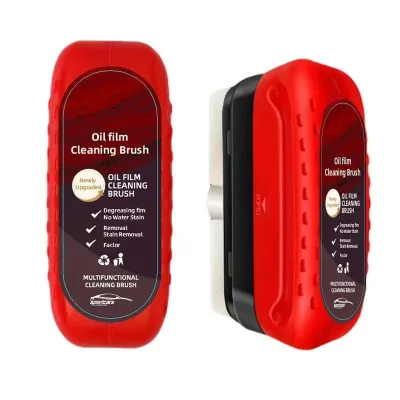


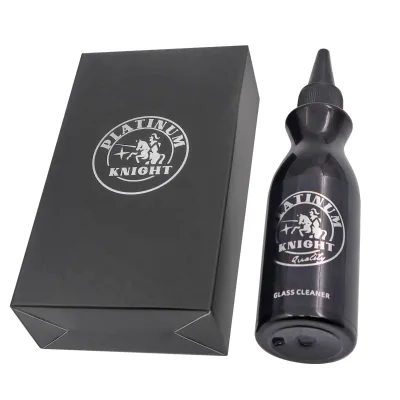


Comprehensive Sourcing Guide
Windshield Cleaner Sourcing Guide
Procuring windshield cleaning solutions requires a clear distinction between general detergents and specialized formulations designed to remove oil films and maintain optical clarity. The market offers a diverse range of products, from standard glass abluent liquids to advanced chemical treatments that adjust pH levels for specific cleaning needs. Buyers must first identify whether their operational requirements demand a neutral pH solution for routine maintenance or a base-active formula for heavy-duty degreasing and lustre enhancement. Understanding these functional differences is critical before engaging with suppliers, as the chemical composition directly impacts the longevity of the glass and the safety of the vehicle's paintwork.
Commercial viability in this sector is heavily influenced by customization capabilities and packaging logistics. Many manufacturers provide ODM and OEM services, allowing buyers to tailor active ingredient content, which can range from standard formulations to solutions with over 80% active concentration. Packaging configurations vary significantly, with common units including 24-piece cartons, 12-piece cartons, or single-item sales, each affecting the final landed cost and storage efficiency. Sourcing strategies should prioritize suppliers who can align their production capacity, typically ranging from 300ml to 1000ml volumes, with the specific logistical constraints of the buyer's distribution network.
Product Scope and Observed Listing Signals
The observed product landscape for windshield cleaners includes distinct categories such as glass abluent, detergent-based cleaners, and specialized oil film removers. Listings frequently highlight specific volume capacities, with common offerings ranging from 300ml to 1100ml, alongside specialized aerosol can formats designed for targeted application. Buyers should scrutinize product descriptions for shape and physical state, noting that while most solutions are liquid, some listings may reference solid forms or specific bottle types like aerosol cans, which dictate different handling and shipping requirements.
Listing signals also reveal significant variation in packaging density and unit definitions, which directly impact freight calculations. Data indicates packaging standards such as 24 pieces per carton, 12 pieces per carton, or 6 pieces per carton, with some entries specifying exact carton dimensions like 24x12x5cm or 45x34x28cm. These physical attributes are not merely descriptive but serve as critical data points for verifying the supplier's ability to meet volume constraints. Procurement teams must cross-reference these observed packing standards against their own warehouse capacity and palletization strategies to avoid unexpected logistical bottlenecks.
Technical Specifications to Verify
Technical verification begins with the chemical formulation, specifically the pH balance and active ingredient concentration. Buyers should confirm whether the product is a neutral pH cleaner suitable for general use or a base-active formula designed for heavy oil removal, as the latter may require specific safety protocols during handling. The presence of specific features, such as sustainability claims or dewaxing capabilities, must be validated against the actual chemical composition to ensure the product meets the intended performance criteria for the vehicle fleet or retail market.
Physical specifications, including bottle dimensions and gross weight, are essential for accurate shipping and storage planning. Observed data points such as a bottle size of 6.5x15.8cm and a net weight of 280g per can provide a baseline for verifying supplier consistency. Buyers must ensure that the listed model numbers, such as TE-8043B or KHL8401, correspond to the exact physical attributes required, as discrepancies in model specifications can lead to compatibility issues with automated filling lines or dispensing equipment.
Compliance and Safety Documentation
Regulatory compliance is a non-negotiable aspect of sourcing windshield cleaners, particularly regarding international trade standards. Suppliers should provide evidence of adherence to recognized standards such as CE, RoHS, SGS, and GMP, which indicate that the product meets specific safety and environmental requirements. While some listings may reference ISO9001 certification, buyers must verify that this applies to the manufacturing process and quality management system rather than just the product itself, ensuring a consistent level of quality control throughout the supply chain.
Safety documentation must also address the shelf life and storage stability of the chemical products. Observed validity periods of three years suggest a standard shelf life, but buyers should request specific test data to confirm that the active ingredients remain stable under various storage conditions. Additionally, the presence of certifications like ISO9001 should be cross-referenced with the specific product batch to ensure that the safety protocols applied during production are maintained for the specific order being placed.
Cost Drivers and Commercial Terms
Cost structures in the windshield cleaner market are driven by a combination of raw material costs, customization levels, and order volume. The minimum order quantity (MOQ) can vary widely, with observed ranges from 3000 to 7500 pieces, significantly impacting the unit price and cash flow requirements for buyers. Smaller orders may incur higher per-unit costs, while larger volumes often unlock more favorable pricing tiers, making it essential for procurement teams to balance inventory holding costs against the benefits of bulk purchasing.
Commercial terms extend beyond the unit price to include delivery timelines and payment flexibility. Lead times are typically observed in the range of 20 to 25 working days, which must be factored into the overall supply chain planning to prevent stockouts. Payment terms are often negotiable, allowing buyers to structure agreements that align with their financial cycles, but these terms should be clearly defined in the contract to avoid disputes regarding delivery schedules and invoice processing.
Supplier Qualification and Quality Control
Supplier qualification requires a thorough assessment of their manufacturing location and production capabilities. Many suppliers are based in Guangdong or Guangzhou, China, regions known for their chemical manufacturing infrastructure, but buyers must verify the specific factory's capacity to handle their required order volumes. The ability to offer ODM and OEM services is a strong indicator of a supplier's flexibility, but this capability must be backed by a robust quality control system that ensures consistency across different production batches.
Quality control processes should be validated through third-party testing and certification audits. Buyers should request samples that have been tested against the claimed standards, such as the CE or RoHS certifications, to ensure that the product meets the specified safety and performance criteria. Regular audits of the supplier's production line and quality assurance protocols are necessary to maintain the integrity of the supply chain and to ensure that the windshield cleaners delivered consistently meet the required specifications.
Long-Term Procurement Checks
Establishing a long-term procurement relationship involves regular performance reviews and continuous quality monitoring. Buyers should implement a system for tracking product performance over time, including shelf life stability and customer feedback on cleaning efficacy. This data-driven approach allows for early detection of any deviations in product quality or formulation changes that could impact the end-user experience, ensuring that the supply chain remains reliable and responsive to market needs.
Strategic planning for future procurement should also consider the scalability of the supplier's operations. As demand grows, the supplier must be able to increase production capacity without compromising quality or extending lead times beyond acceptable limits. Regular communication with the supplier regarding their production schedules, raw material availability, and potential capacity constraints will help buyers anticipate and mitigate any risks that could disrupt the supply of windshield cleaning solutions.
FAQs
What certifications do windshield cleaners typically have?
Windshield cleaners often carry CE, RoHS, SGS, and GMP certifications to ensure safety and quality. Some products also hold ISO9001 certification for manufacturing standards. These credentials verify that the chemical formulations meet international regulatory requirements for automotive care products.
Can I customize the packaging for bulk orders?
Yes, customization is available for bulk orders. Suppliers offer various packaging options such as 24PCS/CTN, 30PCS/CTN, or 12PCS/CTN. You can also request specific carton dimensions or branding. This flexibility helps optimize logistics and storage for your specific distribution needs.
What is the typical lead time for production?
The typical lead time is 20-25 working days. This duration allows for production, quality control, and preparation for shipment. Buyers should plan their inventory accordingly to avoid stockouts. Expedited options may be available depending on the supplier's current capacity and order volume.
What is the minimum order quantity for these products?
The minimum order quantity varies by supplier, ranging from 1 to 8000 pieces. Some manufacturers require a MOQ of 3000PCS or 7500PCS for specific models. Smaller quantities may be available for sample testing or trial orders. Check individual listings for precise MOQ requirements.
What capacity options are available for glass abluent?
Glass abluent products are available in capacities ranging from 300ml to 1000ml. Specific models include 450ml, 500ml, and 1100ml volumes. These sizes cater to different vehicle types and usage patterns. Buyers can select the most suitable capacity based on their target market's preferences.
Where are these windshield cleaners manufactured?
These products are primarily manufactured in Guangdong, China, and Guangzhou, China. This region is known for its robust manufacturing infrastructure for automotive chemicals. Buyers can source directly from these locations to benefit from established supply chains and competitive pricing structures.